
Often referred to as the "Star of the Indian Ocean", Mauritius is a haven of sparkling crystal turquoise waters and a mild tropical climate: fused together with legendary Mauritian hospitality, historic sights, cultural diversity and almost limitless activities. There's far more to Mauritius than perfect white sandy beaches. From the hustle and bustle of the island's capital Port Louis to the tranquil Black River Gorges National Park, Mauritius is a destination with something for everyone. Escaping to the ocean is a great way to experience some of the Indian Ocean's best diving and snorkelling opportunities.
Thinking about Mauritius? Chat with us on WhatsApp or email info@rockbirdtravel.com
The island's diverse yet relatively short history has created a remarkably varied culture; quite something for a country that is only about a third the size of Devon, or similar to Surrey. The descendants of European, African, Indian, and Chinese immigrants make up the majority of the population and each group has made their mark on the island. Where else can you take Creole language courses, visit beautiful Hindu temples and grand sugar plantation houses, and dine on cuisine inspired by a melting pot of culinary traditions?
Talk to us and we'll help create a Mauritius holiday to suit your travelling style.
Mauritius is a compact island, but the coast you choose does change the feel of the holiday: livelier in the north, breezier on the east, sunset-facing on the west, and quieter in the south. The map below shows where our hotels sit, numbered clockwise from Grand Baie. Match each number with the key underneath.
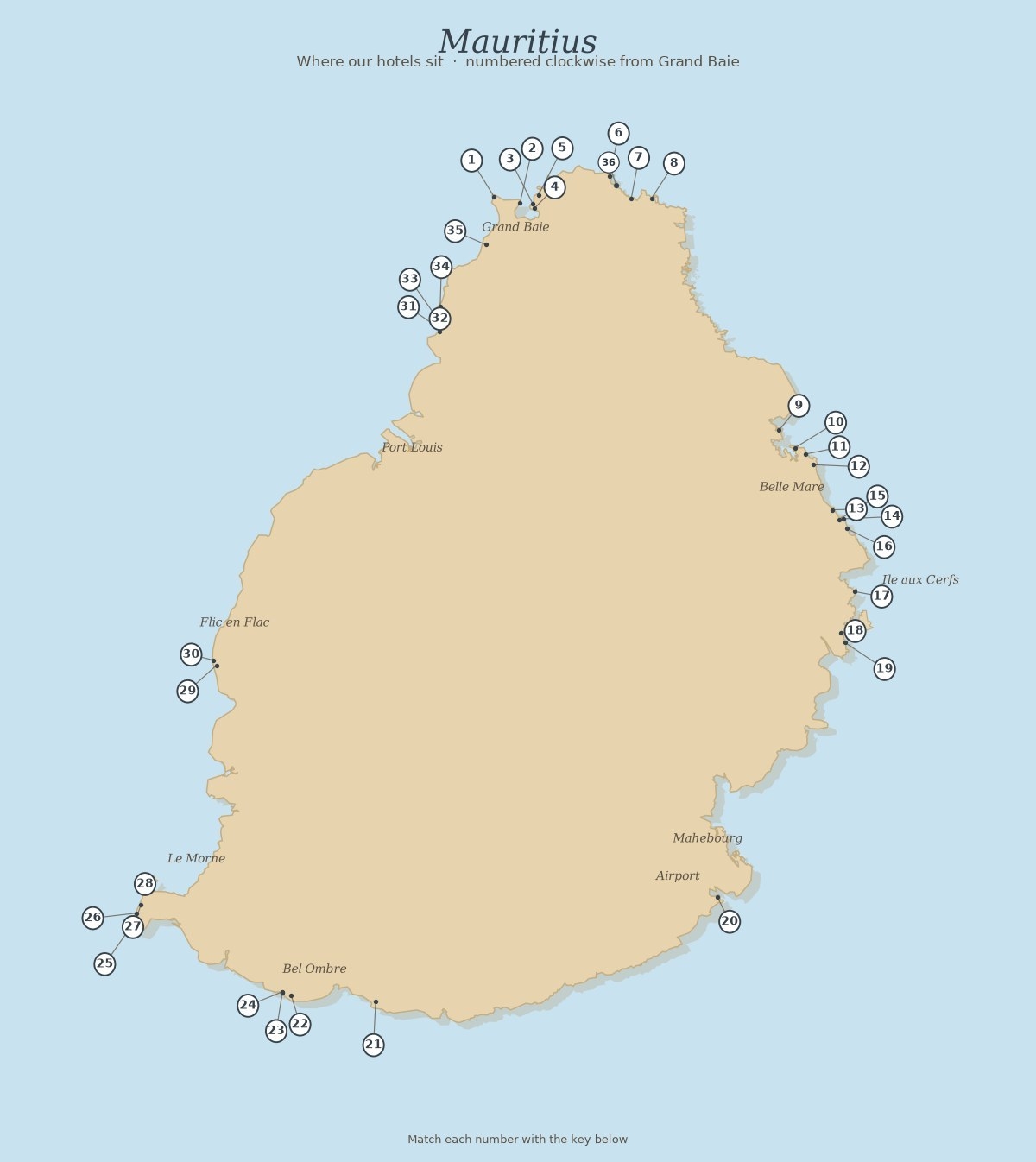
| # | Hotel | Area | Category |
|---|---|---|---|
| 1 | Canonnier Beachcomber | Grand Baie | 4 star |
| 2 | La Maison 20 Degrés Sud | Grand Baie | 4 star plus |
| 3 | Royal Palm Beachcomber | Grand Baie | Platinum |
| 4 | Mauricia Beachcomber Resort & Spa | Grand Baie | 4 star |
| 5 | LUX* Grand Baie | Grand Baie | 5 star plus |
| 6 | Paradise Cove Boutique Hotel | Anse La Raie | 5 star |
| 7 | Zilwa Attitude | Calodyne | 4 star |
| 8 | LUX* Grande Gaube | Grande Gaube | 5 star plus |
| 9 | Constance Prince Maurice | Poste de Flacq | Platinum |
| 10 | One&Only Le Saint Géran | Belle Mare | Platinum |
| 11 | Constance Belle Mare Plage | Belle Mare | 5 star |
| 12 | Long Beach | Belle Mare | 4 star plus |
| 13 | LUX* Belle Mare | Belle Mare | 5 star plus |
| 14 | SALT of Palmar | Palmar | 5 star |
| 15 | Ambre | Palmar | 4 star |
| 16 | C Mauritius | Palmar | 4 star |
| 17 | Shangri-La Le Touessrok | Trou d'Eau Douce | Platinum |
| 18 | The Bay Club at Anahita | Beau Champ | 5 star |
| 19 | Four Seasons Resort Mauritius at Anahita | Beau Champ | Platinum |
| 20 | Shandrani Beachcomber | Blue Bay | 4 star plus |
| 21 | Shanti Maurice | Rivière des Galets | 5 star plus |
| 22 | Tamassa | Bel Ombre | 4 star |
| 23 | Heritage Awali | Bel Ombre | 4 star |
| 24 | Heritage Le Telfair | Bel Ombre | 5 star plus |
| 25 | The St. Regis Le Morne | Le Morne | Platinum |
| 26 | LUX* Le Morne | Le Morne | 5 star plus |
| 27 | Dinarobin Beachcomber | Le Morne | 5 star plus |
| 28 | Paradis Beachcomber | Le Morne | 5 star plus |
| 29 | La Pirogue | Flic en Flac | 4 star plus |
| 30 | Sugar Beach | Flic en Flac | 5 star |
| 31 | The Oberoi Beach Resort, Mauritius | Turtle Bay | Platinum |
| 32 | Maritim | Balaclava | 4 star plus |
| 33 | Victoria Beachcomber | Pointe aux Piments | 4 star |
| 34 | Le Meridien Ile Maurice | Pointe aux Piments | 4 star plus |
| 35 | Trou aux Biches Beachcomber | Trou aux Biches | 5 star |
| 36 | Lagoon Attitude | Anse La Raie | 4 star |
The island is small enough that many of these places can be reached as a day trip from your hotel. If you would like to see more than the beach, we can build them into your holiday.
Port Louis
The capital sits on the north-west coast, a working harbour city rather than a purpose-built resort town. The Central Market is the place for spices, fruit and a sense of everyday Mauritian life, and the Caudan Waterfront lines the harbour with shops and places to eat. Above the city, Champ de Mars is the oldest racecourse in the southern hemisphere, dating from 1812. Aapravasi Ghat, on the waterfront, is the stone immigration depot where indentured labourers arrived in the nineteenth century, now a UNESCO World Heritage Site.
Black River Gorges National Park
In the highlands of the south-west, this is the island's largest national park: a cool, green contrast to the coast, with native ebony forest, viewpoints and walking trails. On a clear day the lookouts over the gorge and down towards the west coast are worth the drive on their own. It is also one of the last strongholds of birds such as the pink pigeon and the echo parakeet. Take a light jacket - it sits much higher than the beach and can feel several degrees cooler.
Grand Baie
The north's lively hub, Grand Baie is where you will find a denser stretch of restaurants, shops and boat trips. It has more of a buzz than the east or south, which is precisely why some guests love staying here and others prefer to visit for an evening from further along the coast. Several of our hotels sit in and around the bay, from Pointe aux Canonniers across towards Pereybere.
Ile aux Cerfs
A small island just off the east coast, reached by boat from Trou d'Eau Douce. There are long stretches of pale sand, a lagoon that is popular for watersports, and an 18-hole championship golf course designed by Bernhard Langer. It is an easy, sunny day out from the east-coast hotels, and many guests combine it with a little time in Trou d'Eau Douce itself.
Chamarel
Tucked into the forested hills of the south-west, Chamarel is a small village with a big reputation. People come for the Seven Coloured Earths - a mineral landscape of rippled sands in ochre, purple, red and grey - and for the waterfall that drops from the cliffs nearby. The surrounding country makes for a lovely drive, with rum distilleries, viewpoints and winding roads through the hills.
Belle Mare
The east coast is the island's sunrise side: a long, pale beach running through Belle Mare and on towards Palmar, backed by casuarina trees and a wide lagoon. The trade winds can pick up here, especially in the winter months, which keeps the air fresher and suits anyone who likes a breeze - or a bit of kitesurfing. Several of our hotels sit along this stretch, and it is generally quieter than Grand Baie after dark.
If you would rather not organise the details yourself, we can arrange any of these as part of your holiday.
A west-coast catamaran
The west coast, around Tamarin Bay and Black River, is the usual starting point for a morning catamaran. Spinner dolphins are often seen in these waters, and the better operators keep a respectful distance rather than crowding them. It is an early start, but the west-coast lagoon in the morning light is a fine way to see a different side of the island.
A helicopter flight
A short helicopter flight is one of the clearest ways to understand the shape of Mauritius: the reef-fringed lagoon, the sugar-cane plains and the sudden bulk of Le Morne Brabant at the south-western tip. Flights can be arranged from the airport or from selected hotels, and even a brief hop over the south and west is memorable.
A private tour of the wild south
The south is the least polished side of the island. Beyond the hotels at Bel Ombre, the reef falls away and the waves meet the shore properly at places such as Gris-Gris. A private driver can take you through fishing villages and cane fields to Rochester Falls, the cliffs at the very south, and inland stops such as a tea plantation, without you having to piece the day together yourself.
The Seven Coloured Earths
The dunes at Chamarel are a curious corner of the island: bare, undulating earth in stripes of colour, viewed from a walkway so they stay as they are. It is a short visit rather than a long hike, and it pairs naturally with the waterfall next door.
Chamarel waterfall
Just across the geopark, Chamarel waterfall is the island's tallest single-drop waterfall, plunging around 100 metres from a basalt cliff into a forested gorge. You see it from railed viewpoints a short walk from the car park - there is no need for a long hike unless you specifically arrange a guided descent to the base.
If you are not sure which coast will suit you - a lively base in the north, the long beaches of the east, the sunsets of the west, or the quieter south - tell us how you like to travel and we will point you in the right direction.
Essentials
Flight time: 12 hours approximately
Currency: Mauritian Rupee (MUR)
Climate: Mauritius has a tropical climate with pleasant temperatures year-round. Temperature peaks between December and February, whilst lower temperatures come between July and September.
Start planning your holiday today
We provide bespoke itineraries to ensure your perfect trip. Stay in the best hotels and visit the best attractions.
Travel Guide
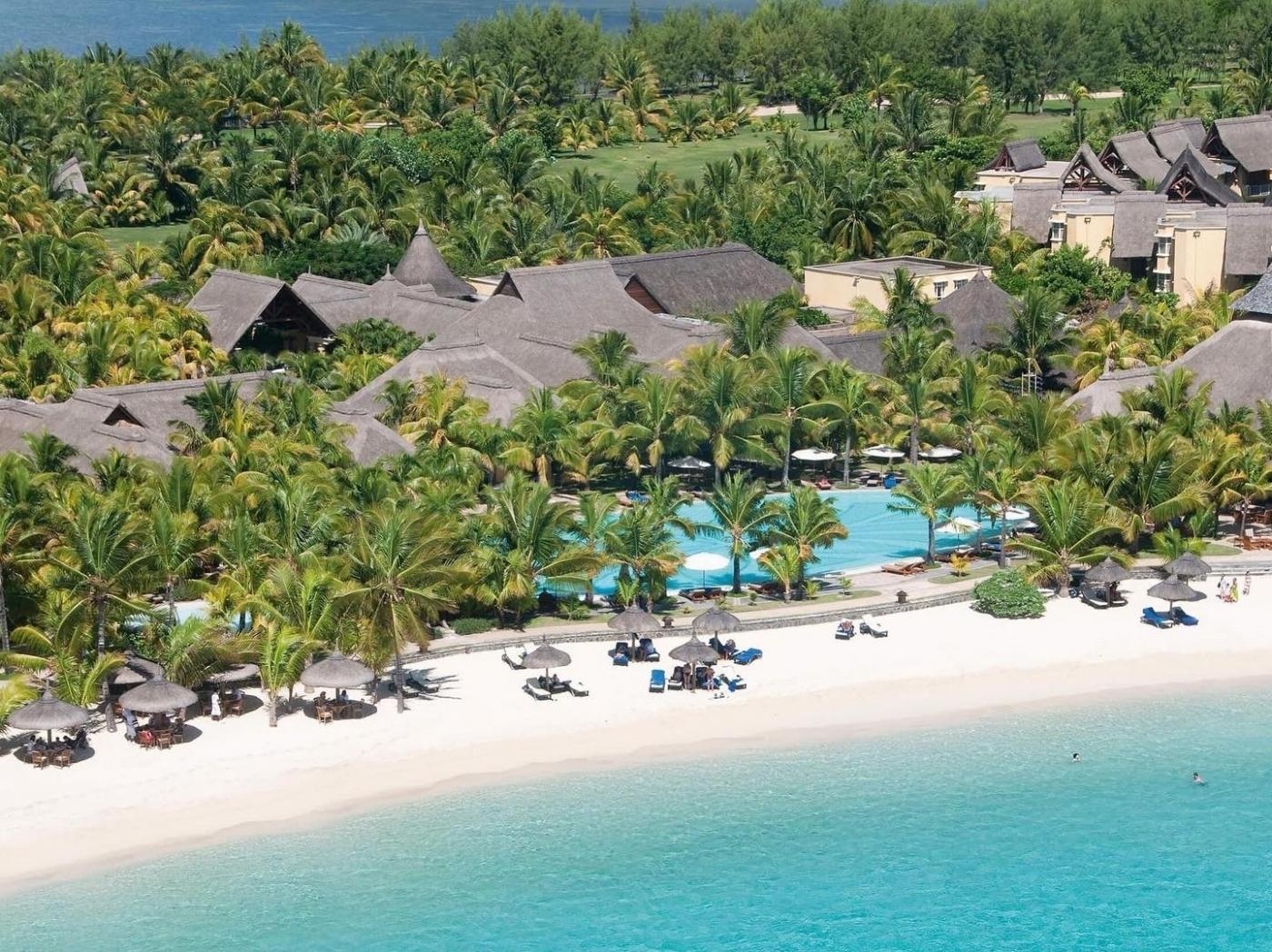 Visiting Mauritius in January
Early January is popular with families escaping the UK winter, but it's the heart of the hot, humid cyclone season, so rain and storms are possible.
Events
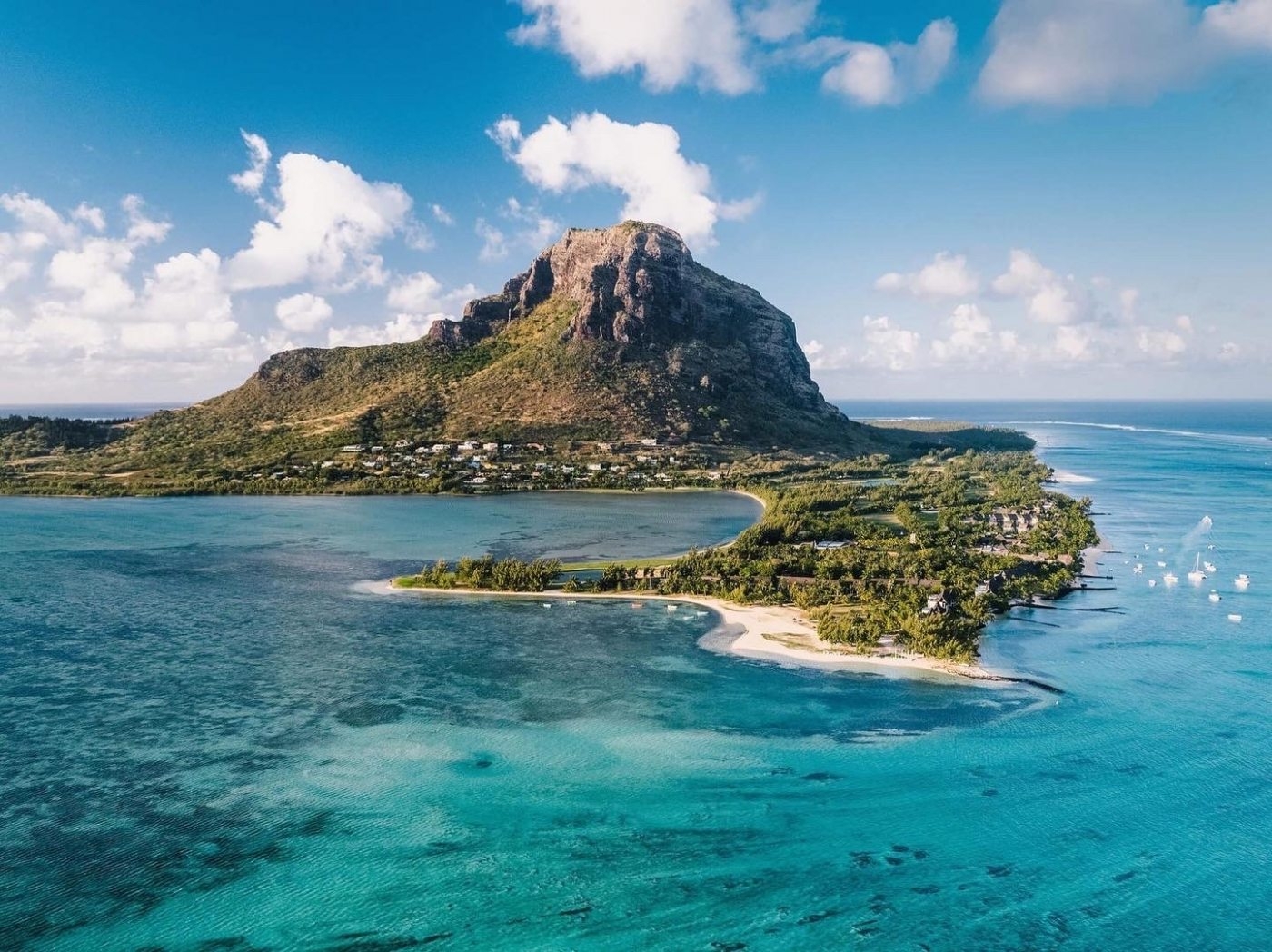 Visiting Mauritius in February
The hottest and wettest month and the peak of cyclone season, so it's the least reliable time to visit.
Events
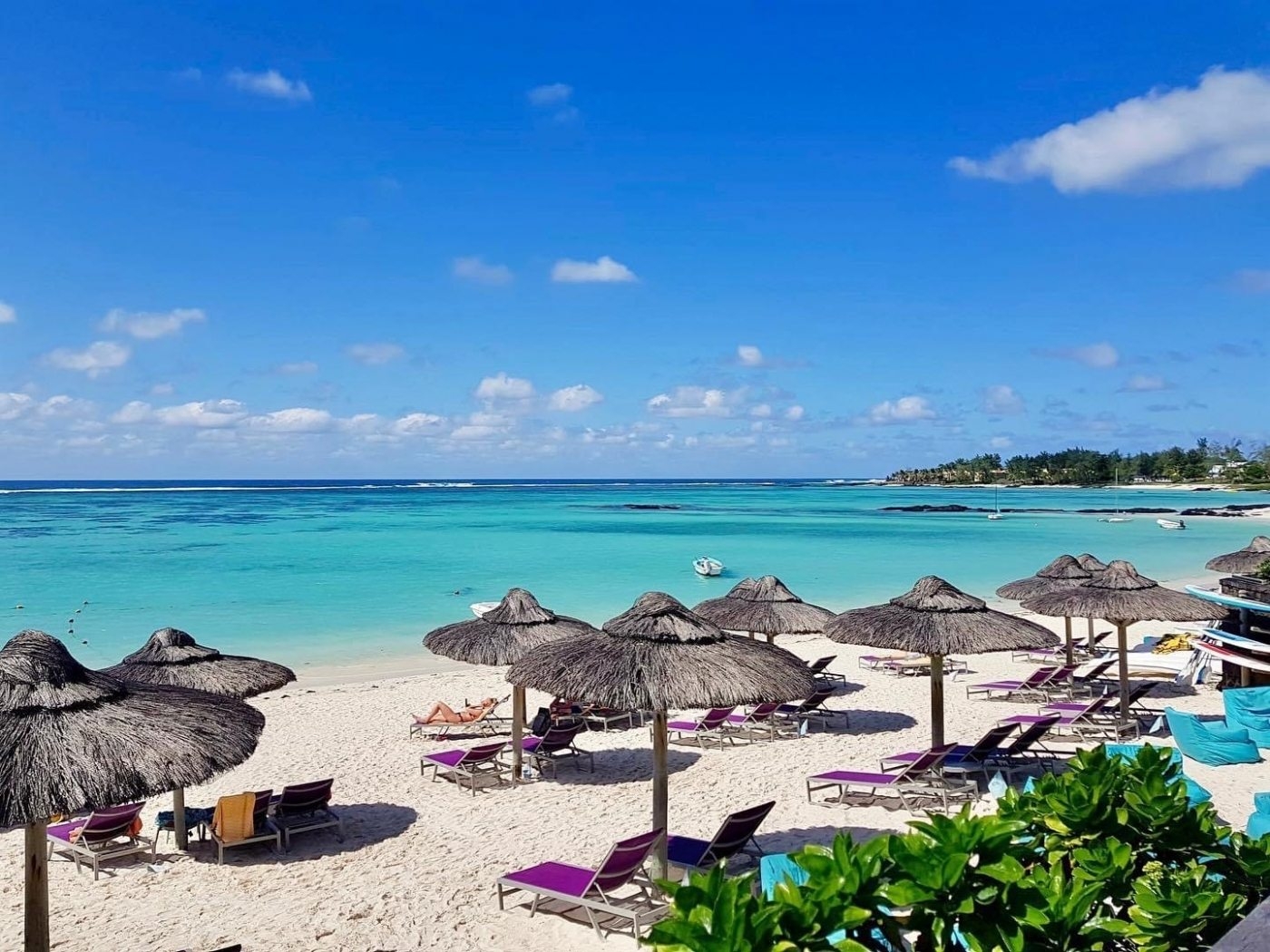 Visiting Mauritius in March
Still warm, with the rain starting to ease towards the end of the month.
Events
 Visiting Mauritius in April
A lovely month – warm seas, less rain and cyclone season over. It's ideal for Easter, which is when we travel with our own family.
Events
 Visiting Mauritius in May
Pleasant, drier and less humid, with good value before the winter season.
Events
 Visiting Mauritius in June
Winter begins, with warm, sunny days around 24–26°C and cooler evenings – great for golf, hiking and the Black River Gorges.
Events
 Visiting Mauritius in July
Dry and sunny, with breezier conditions on the south and east coasts that suit kitesurfers. Whale watching season begins off the west coast.
Events
 Visiting Mauritius in August
Mild and dry, with humpback whales off the west coast. Popular for summer holidays – the sheltered north and west coasts are best.
Events
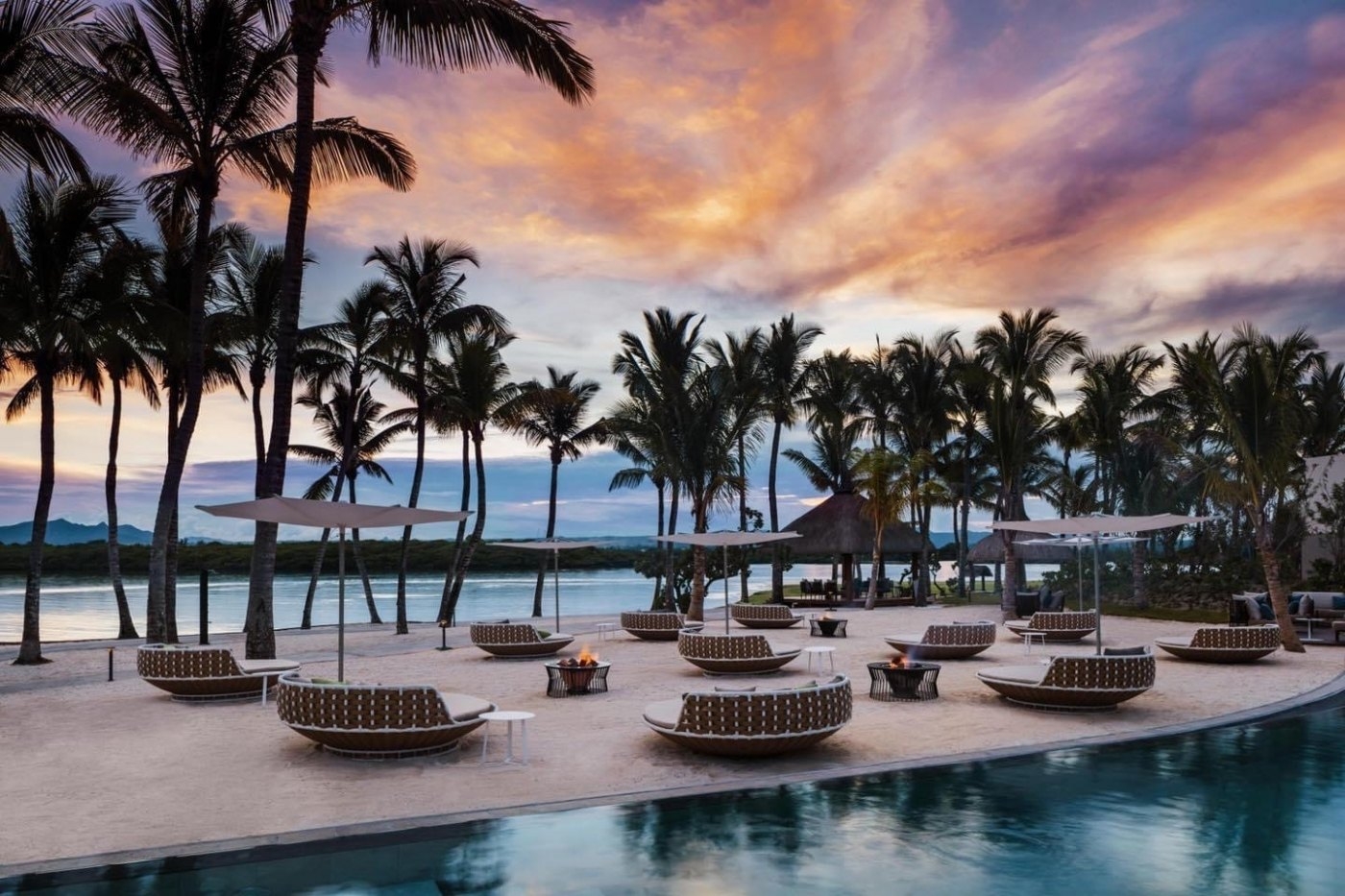 Visiting Mauritius in September
Temperatures start to rise, it's dry and the sea is calmer – one of the best-value months.
Events
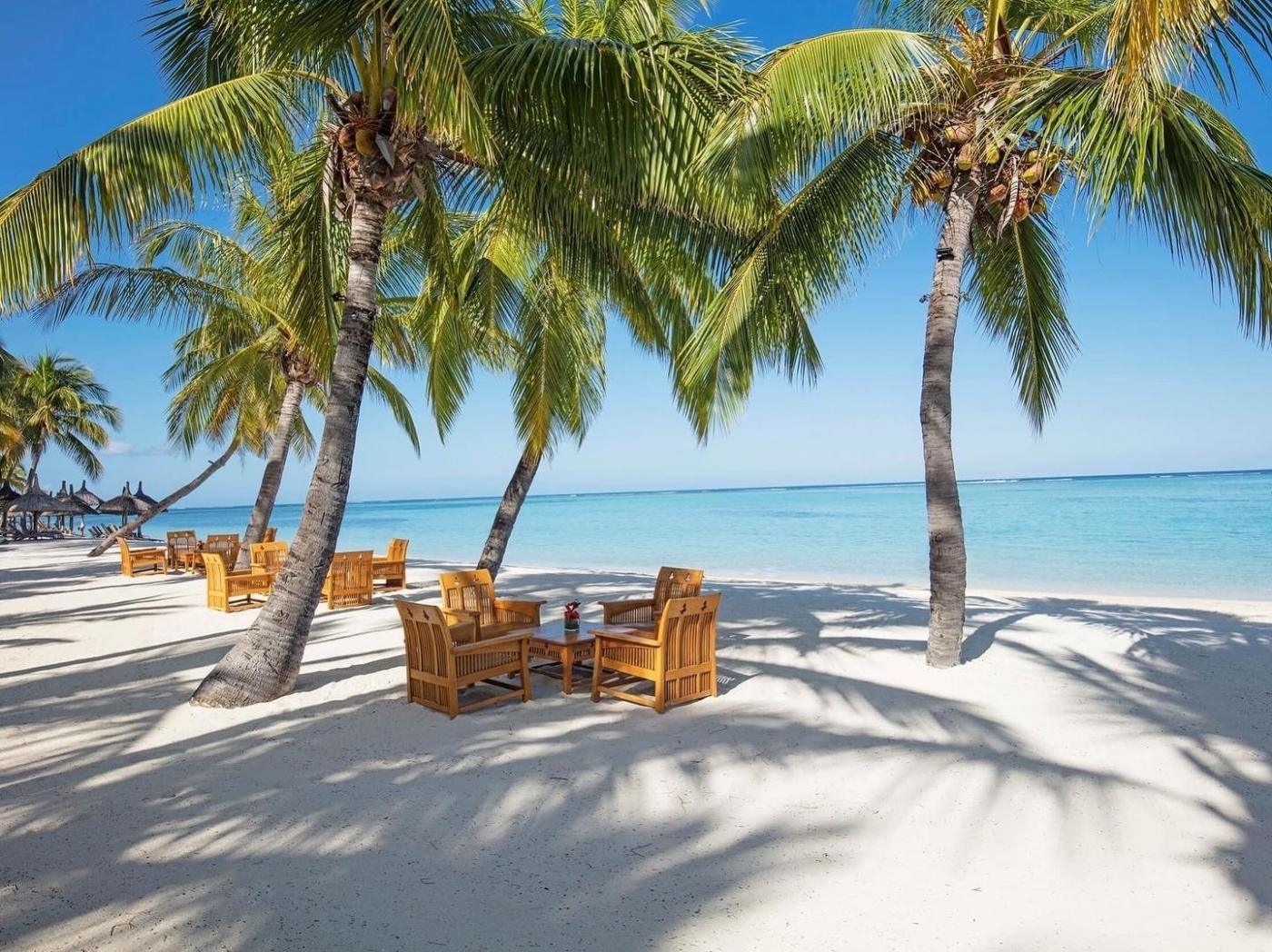 Visiting Mauritius in October
One of the best months – warm and dry, with great diving and clear water. October half term makes Mauritius very popular over a short, condensed set of dates, so book as early as possible, ideally 11–12 months before.
Events
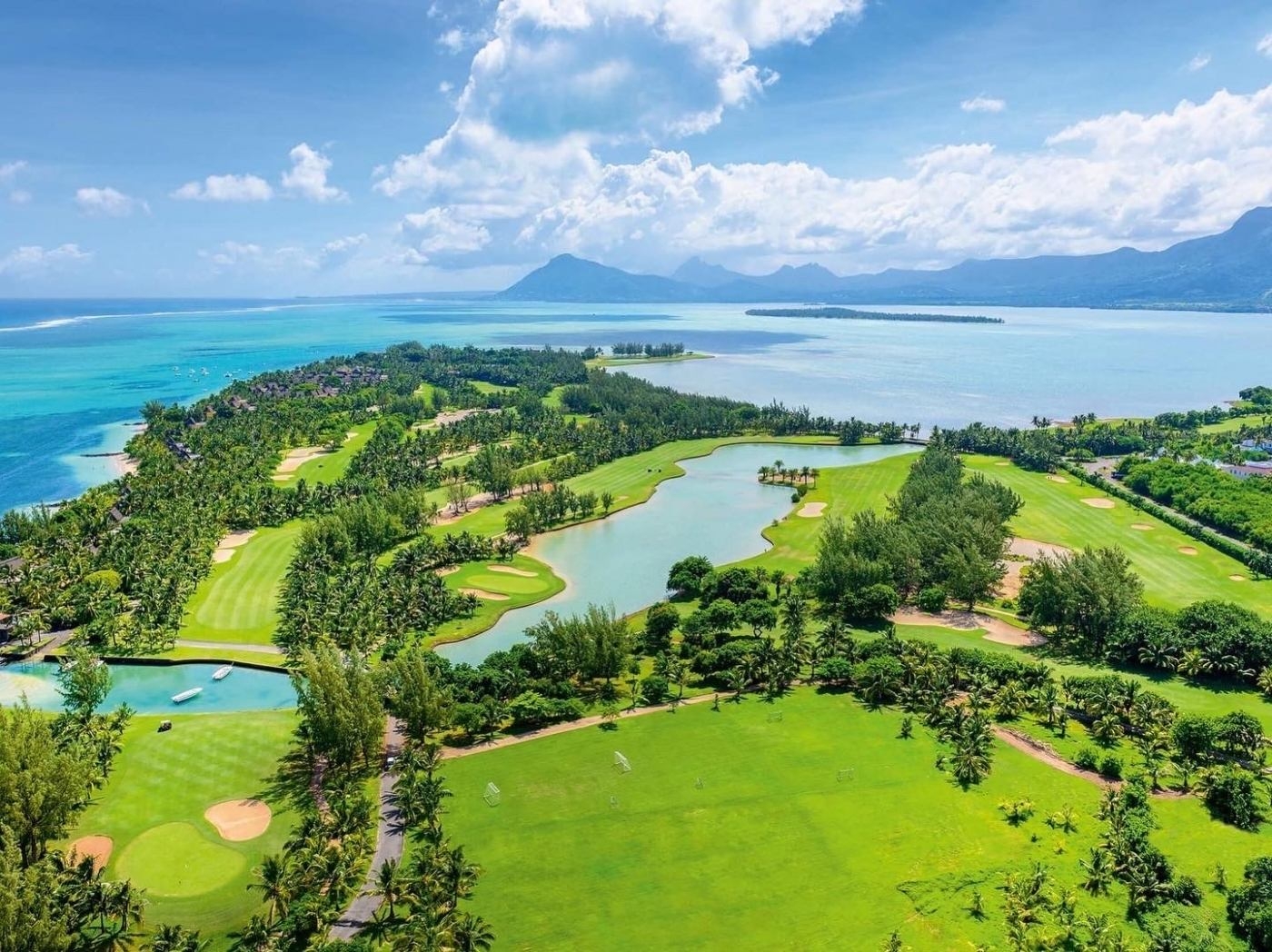 Visiting Mauritius in November
Warm and sunny before the summer rains – ideal for honeymoons.
Events
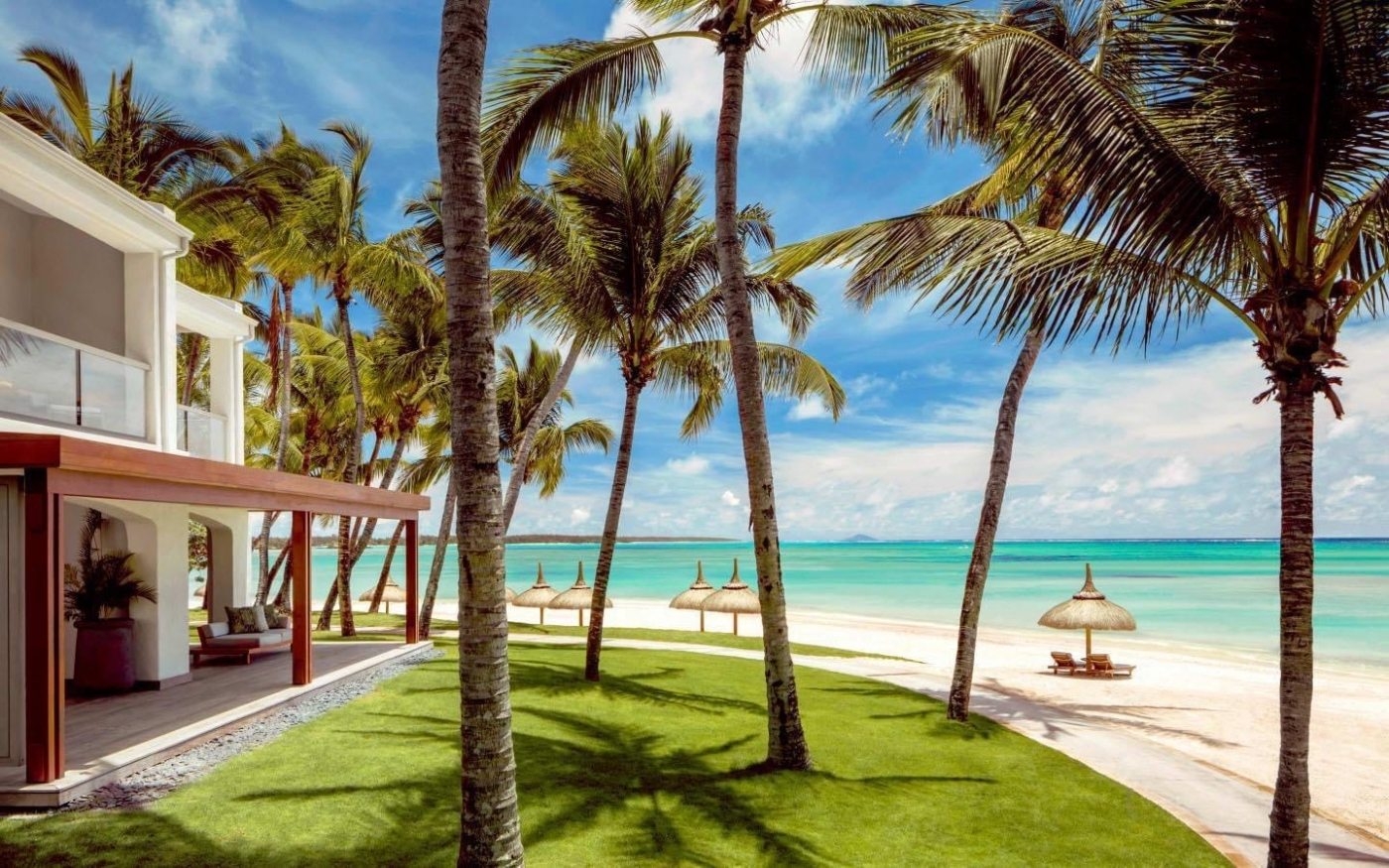 Visiting Mauritius in December
Hot and sunny with a festive atmosphere. Christmas and New Year book up fast and prices peak, so plan well ahead.
Events
Climate Chart
| Destination | Jan | Feb | Mar | Apr | May | Jun | Jul | Aug | Sep | Oct | Nov | Dec | |
|---|---|---|---|---|---|---|---|---|---|---|---|---|---|
| Mauritius | 30°C 86mm |
29°C 90mm |
30°C 62mm |
28°C 28mm |
27°C 19mm |
26°C 13mm |
24°C 13mm |
24°C 16mm |
25°C 7mm |
26°C 12mm |
27°C 25mm |
28°C 37mm |
We have carefully selected a number of properties, offering something to suit a wide range of tastes and budgets.
